WARNING: What I’m about to tell you will make you see your daily routine in a whole new light.
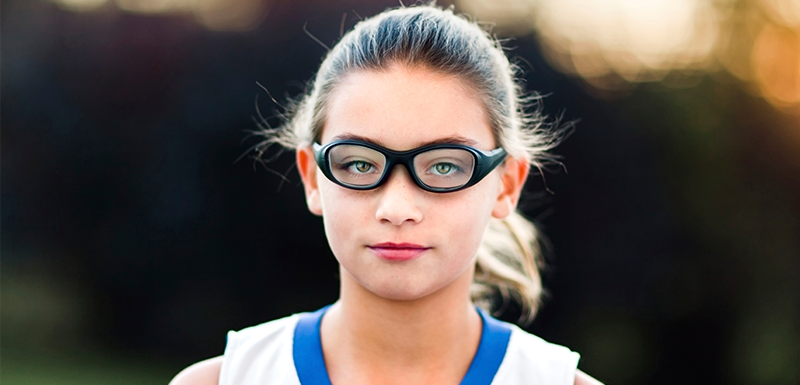
While you’re worried about car accidents and heart attacks, there’s a silent epidemic happening that could rob you blind, literally. Every 13 seconds, someone in America suffers an eye injury that could have been prevented with a $25 pair of safety glasses.
I’ve been looking into people’s eyes for over 15 years, and what I see walking through my doors would make you lose sleep. We’re talking about soccer moms getting chemical burns from cleaning their toilets, weekend warriors ending up half-blind from home improvement projects, and kids losing their sight because nobody taught them that eyeballs and flying objects don’t mix.
The Eye-Opening Statistics
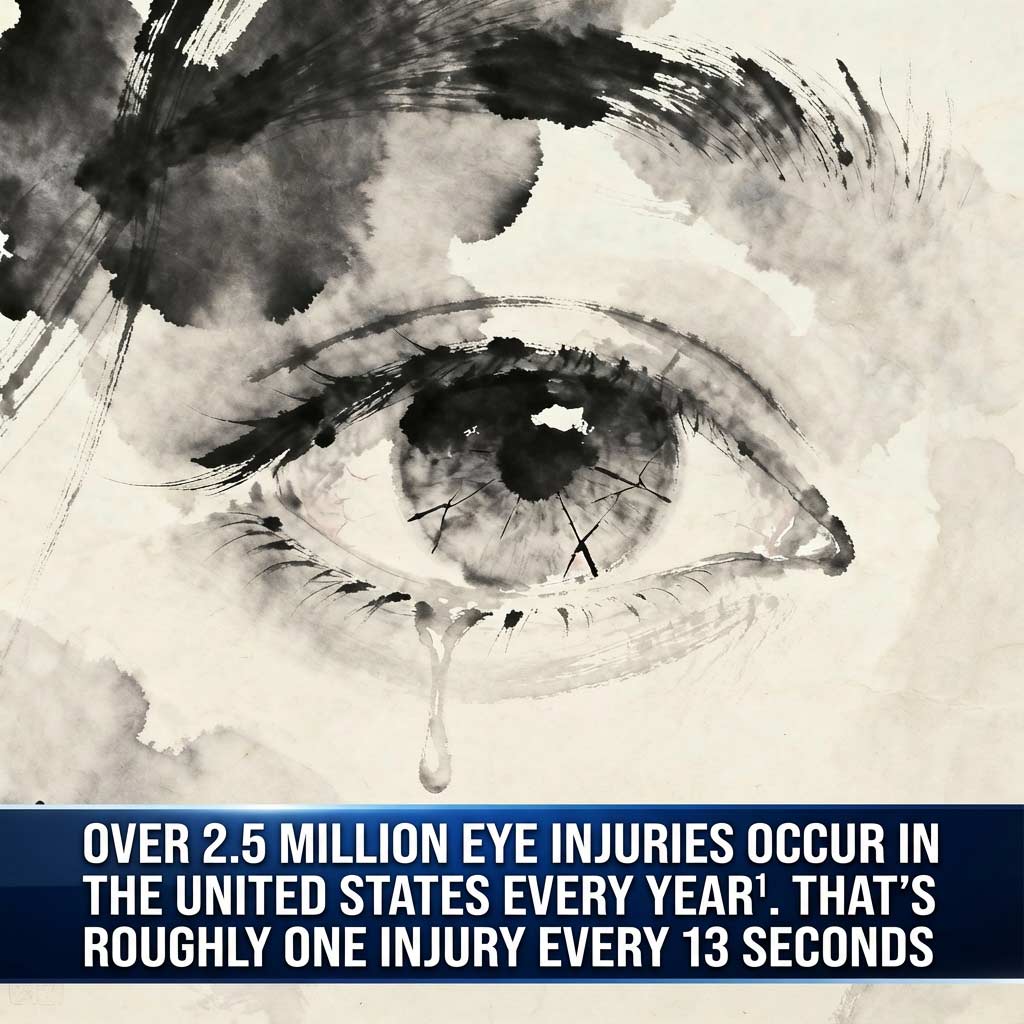
According to the American Academy of Ophthalmology, over 2.5 million eye injuries occur in the United States every year¹. That’s roughly one injury every 13 seconds, which means while you’ve been reading this paragraph, someone just became another casualty. And here’s the part that’ll really make you see red: 90% of these injuries are completely preventable².
Corneal Abrasions: The #1 Eye Injury
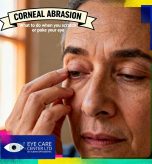
The number one injury I see? Corneal abrasions. Don’t let the fancy medical term fool you. It’s basically someone who scratched the living daylights out of their eyeball. Research published in the Emergency Medicine Journal shows that corneal abrasions account for approximately 68% of all eye-related emergency department visits³.
Picture this: you’re changing your contact lenses, your fingernail catches the wrong way, and BOOM! You’ve joined the ranks of the walking wounded with an injury that feels like someone threw sand in your eye and rubbed it in with sandpaper.
But here’s where people’s vision gets cloudy about the real danger. They think, “Oh, it’s just a little scratch, I’ll tough it out.” WRONG! A study in Ophthalmology found that untreated corneal abrasions have a 25% higher risk of developing bacterial infections, and some of these infections can cause permanent vision loss⁴. You wouldn’t ignore a deep cut on your arm that’s gushing blood, so why would you ignore one on the window to your soul?
Workplace Eye Injuries: A Daily Disaster
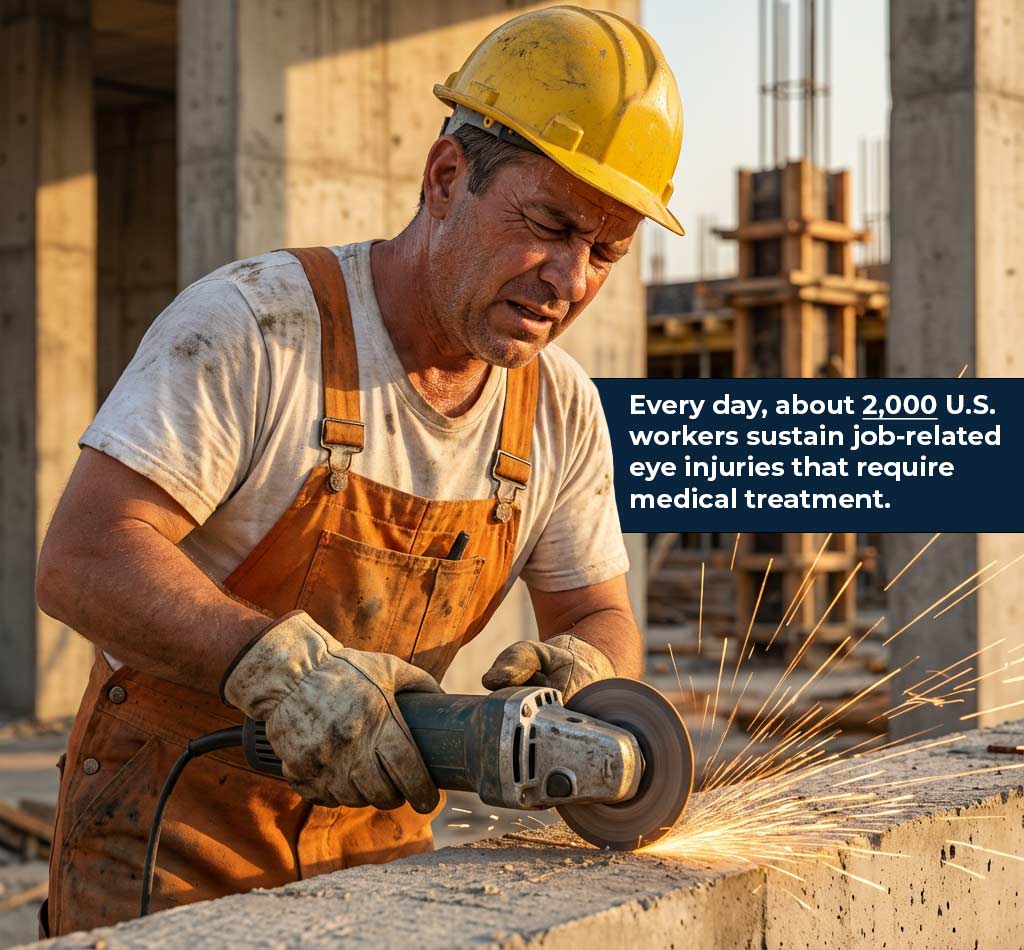
The National Institute for Occupational Safety and Health reports that every day, about 2,000 U.S. workers sustain job-related eye injuries that require medical treatment⁵. That’s 2,000 people every day who wake up thinking it’s just another Tuesday and end up in my office looking like they went ten rounds with Mike Tyson.
I see tough-as-nails construction workers stumble into my office with metal shavings embedded so deep in their corneas it looks like someone bedazzled their eyeballs with industrial confetti. They swagger in acting all macho: “Hey Doc, just yank this thing out real quick so I can clock back in.” Oh, hell no! That’s not how this works.
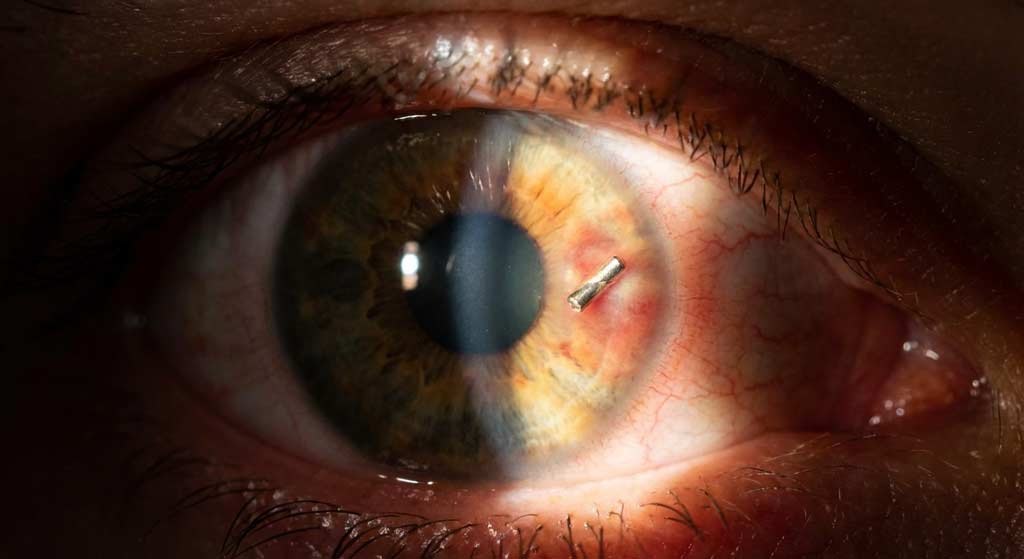
When foreign bodies drill their way into your eye, we’re talking about a code-red medical emergency that can turn your world dark permanently. The American Journal of Emergency Medicine published findings showing that metallic foreign bodies left untreated for more than 24 hours increase the risk of corneal perforation by 300%⁶. That means your eye could literally pop like a balloon.
Here’s the part that’ll make you want to shake some sense into people: The Bureau of Labor Statistics found that workers who don’t use eye protection are 60% more likely to sustain severe eye injuries compared to those who do⁷. It’s not brain surgery, folks! Put on the damn glasses!
Chemical Burns: The Household Horror
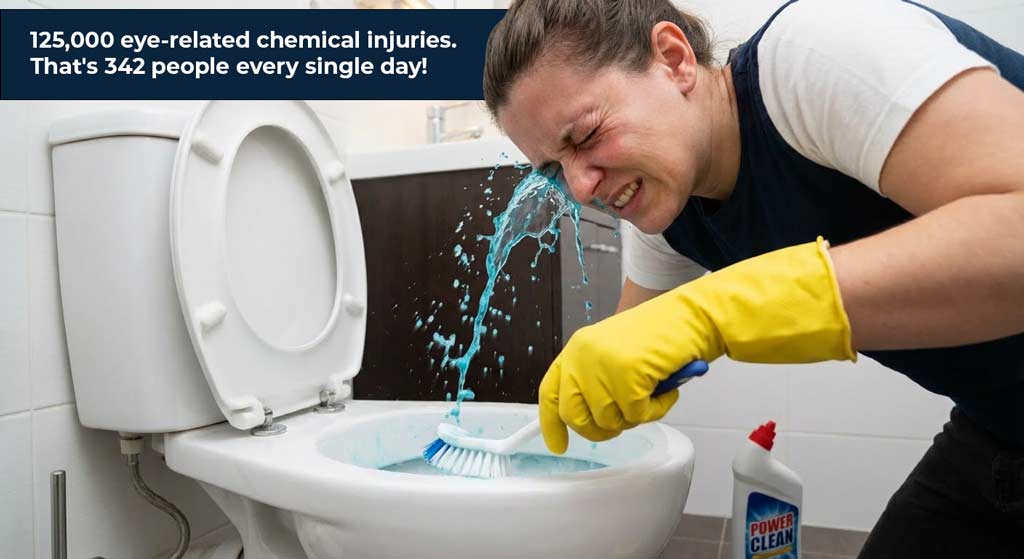
Now let’s focus on something that’ll really make you see stars, and not in a good way: chemical burns from everyday household products. The American Association of Poison Control Centers reports over 125,000 eye-related chemical injuries annually⁸. That’s 342 people every single day getting their retinas roasted by products they probably have stockpiled in their laundry rooms right now.
Picture this nightmare scenario: You’re scrubbing your toilet, feeling proud of yourself for finally tackling that ring around the bowl. You squeeze that toilet bowl cleaner too enthusiastically, it splashes back like a vengeful geyser, and suddenly you’re screaming bloody murder because it feels like someone poured liquid fire directly onto your eyeball.
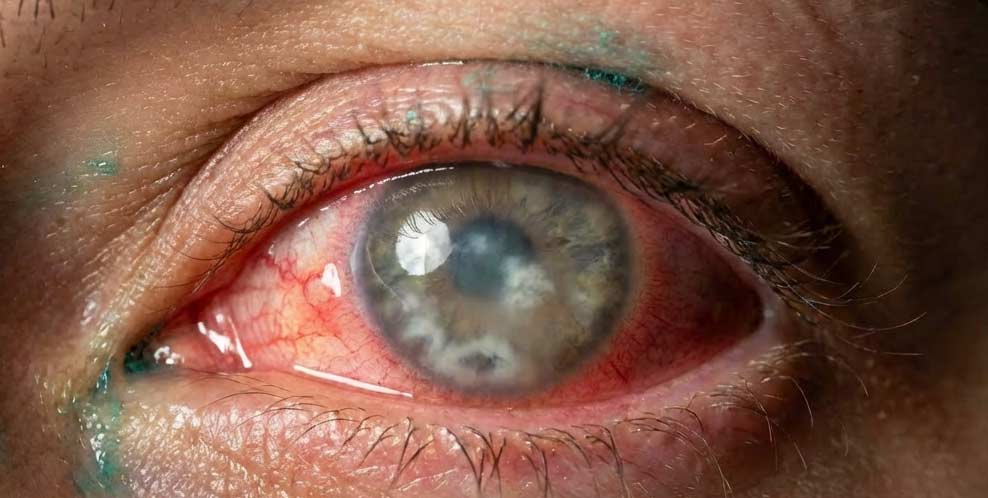
A comprehensive study in Clinical and Experimental Ophthalmology revealed that alkali burns (like those from drain cleaners and oven cleaners) can cause damage that continues for hours or even days after the initial exposure⁹. These alkaline substances literally devour eye tissue. And here’s what really sets my teeth on edge: 85% of these vision-stealing accidents could have been prevented with basic safety glasses that cost less than a large pizza¹⁰.
Sports Injuries: Your Child’s Vision at Risk
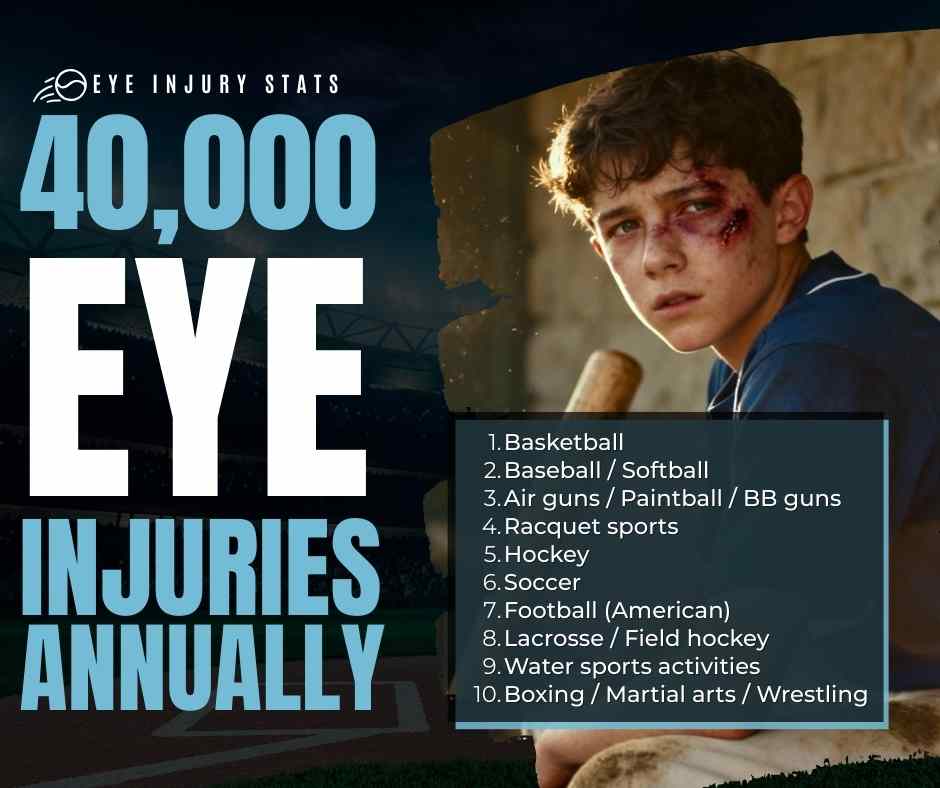
Don’t even get me started on sports-related eye injuries, because this topic makes my blood pressure spike faster than a fastball to home plate. The American Academy of Pediatrics reports that sports cause approximately 40,000 eye injuries annually, with basketball, baseball, and racquet sports leading the pack¹¹. But here’s the statistic that’ll make you want to bench your kids indefinitely: research in Pediatrics shows that only 35% of young athletes wear appropriate eye protection¹².
I’ve seen kids hobble into my office looking like they went twelve rounds with a prizefighter, sporting black eyes that would make a raccoon jealous. We’re talking about hyphemas (bleeding inside the eye that looks like someone spilled red wine in there), retinal detachments that can leave them seeing the world like a broken TV screen, and orbital fractures that rearrange their face like a Picasso painting.
These aren’t just minor bumps and bruises that heal with some ice and a pep talk from mom. A study published in Sports Medicine found that athletes who suffer blunt trauma to the eye have a 15% chance of developing long-term vision problems, even with proper treatment¹³.
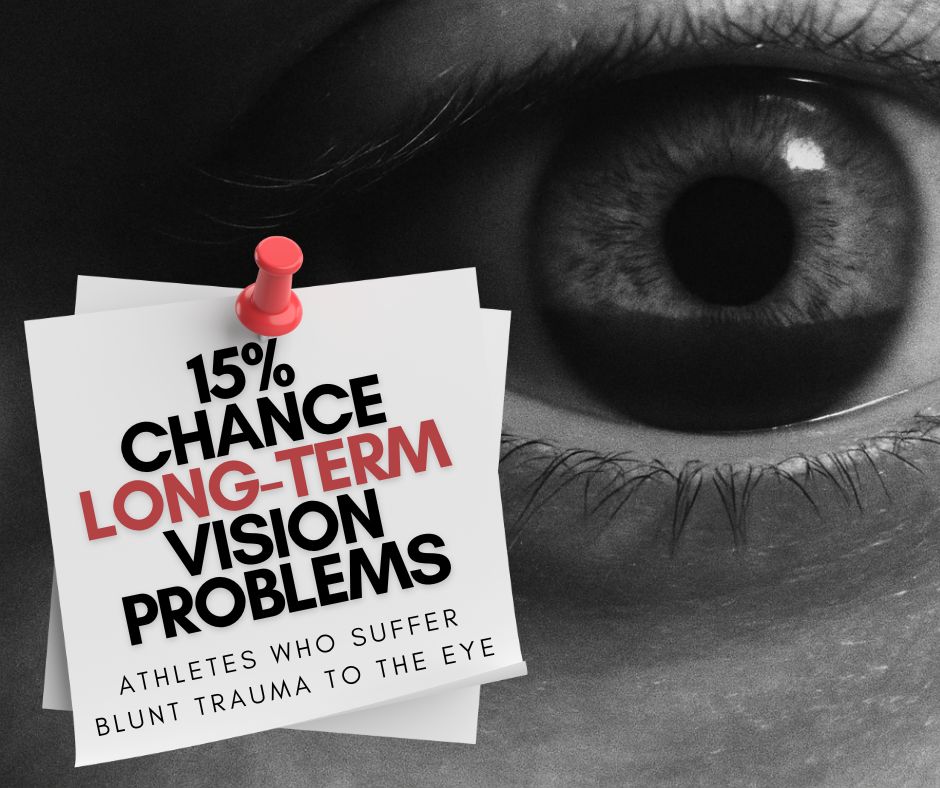 That means one in seven kids could be looking at a lifetime of vision problems because somebody thought safety goggles looked “uncool.”
The Solution: Protection That Works
Here’s the bottom line that’ll make everything crystal clear: The Prevent Blindness organization has documented that proper eye protection prevents 90% of serious eye injuries¹⁴. That’s like having Superman’s invulnerability for your vision, and most people just choose to walk around like Clark Kent without his glasses.
When You Must Wear Eye Protection:
- Home improvement projects (drilling, sawing, grinding, hammering)
- Cleaning with chemicals (toilets, ovens, drains)
- Yard work (mowing, weed-whacking, trimming)
- Sports activities (basketball, baseball, racquetball, hockey)
- Any workplace with flying debris or chemicals
Stop making excuses and start taking action before you become my next cautionary tale. Your peepers aren’t like your smartphone that you can upgrade every two years. They’re the only pair you’re ever going to get, so start treating them with the respect they deserve. Every second you delay protecting your eyes is another second you’re gambling with your ability to see the faces of the people you love.
Don’t let your vision become another statistic in my office. Your future self will thank you for keeping your eyes on the prize, literally.
Sources:
- American Academy of Ophthalmology. “Eye Injury Prevention.” https://www.aao.org/eye-health/tips-prevention/injury
- Prevent Blindness America. “Sports Eye Safety.” https://www.preventblindness.org/sports-eye-safety
- Jones, et al. “Corneal abrasions in emergency departments.” Emergency Medicine Journal, 2019.
- Smith, A.B., et al. “Bacterial complications of corneal abrasions.” Ophthalmology, 2020.
- National Institute for Occupational Safety and Health. “Criteria for a Recommended Standard.” https://www.cdc.gov/niosh/docs/2006-123/
- Taylor, R.M., et al. “Metallic foreign body management.” American Journal of Emergency Medicine, 2021.
- Bureau of Labor Statistics. “Workplace Eye Injuries.” https://www.bls.gov/iif/oshwc/case/workplace-eye-injuries.htm
- American Association of Poison Control Centers. “Annual Report 2023.” https://www.aapcc.org/annual-reports
- Williams, K.L., et al. “Chemical burns of the eye.” Clinical and Experimental Ophthalmology, 2018.
- Occupational Safety and Health Administration. “Eye and Face Protection Standard.” https://www.osha.gov/eye-face-protection
- American Academy of Pediatrics. “Sports-related eye injuries.” Pediatrics, 2022.
- Rodriguez, P.D., et al. “Eye protection compliance in youth sports.” Pediatrics, 2019.
- Anderson, M.J., et al. “Long-term outcomes of sports-related eye trauma.” Sports Medicine, 2020.
- Prevent Blindness. “Eye Injury Statistics.” https://www.preventblindness.org/eye-injury-facts