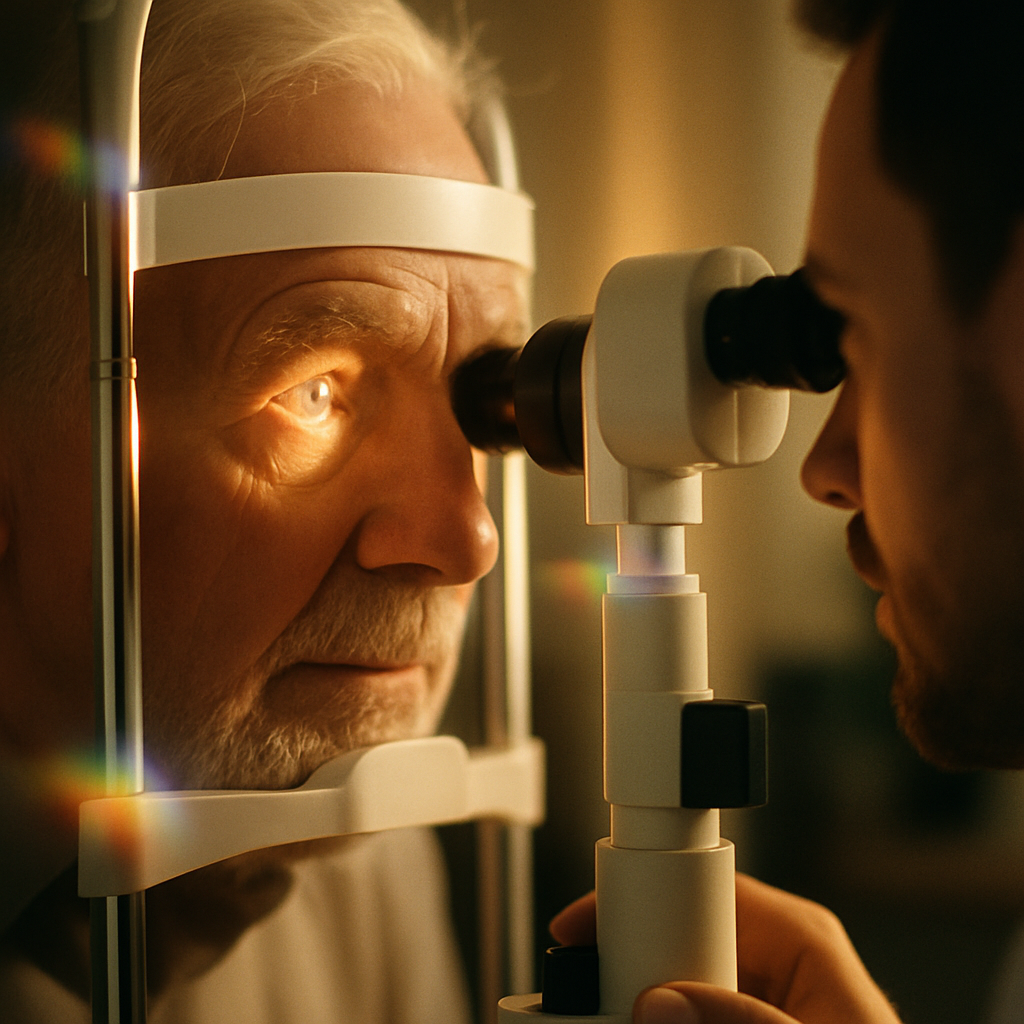
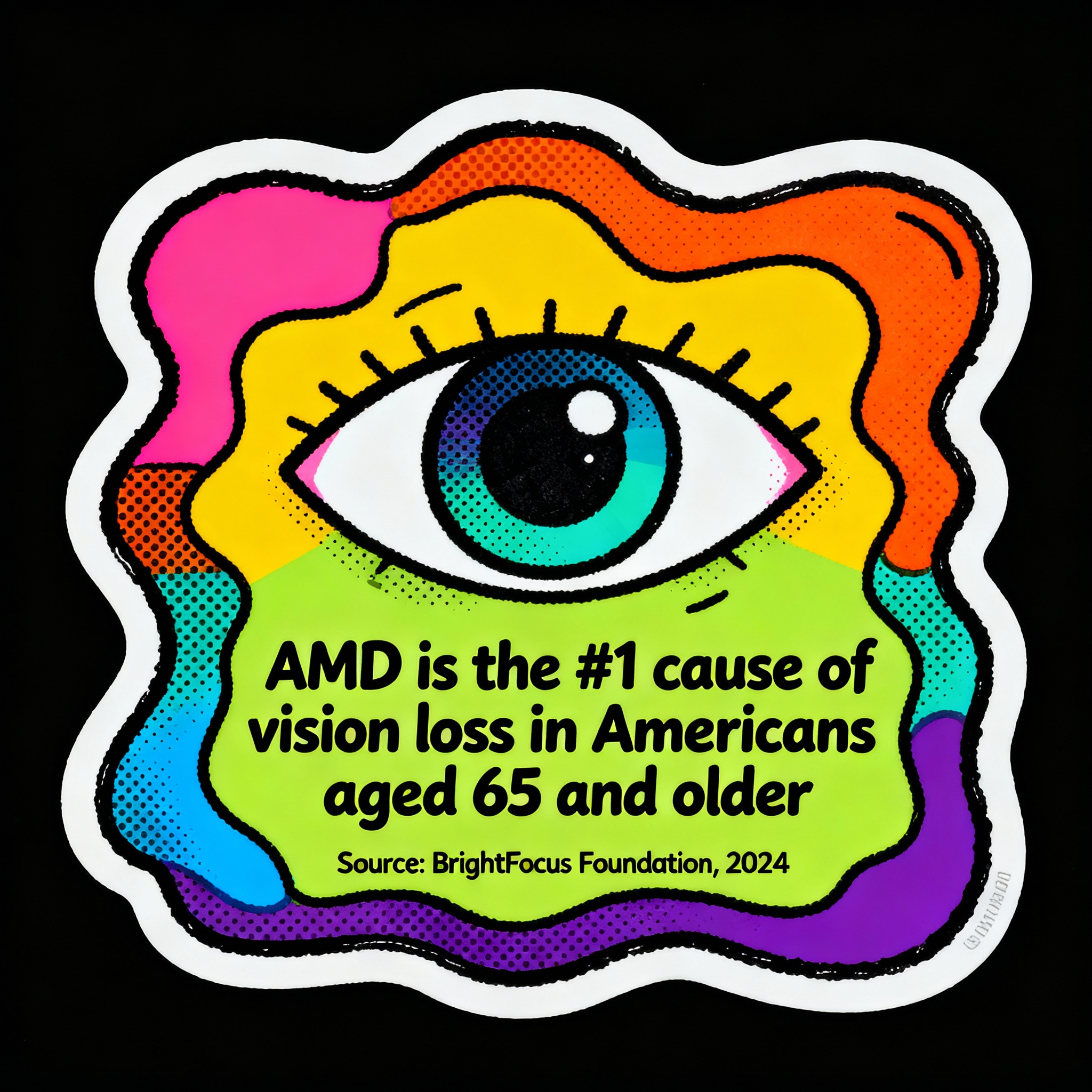
If you’re over 50 and living in the Chicago metropolitan area, there’s a silent threat to your vision that you need to know about. Age-related macular degeneration (AMD) currently affects nearly 20 million Americans and is the leading cause of vision loss in people over 65. Yet most people don’t experience symptoms until the disease has already progressed to later stages.
February is Age-Related Macular Degeneration and Low Vision Awareness Month, making it the perfect time to understand your risk and take action. At The Eye Care Center, with convenient locations in Burbank, Addison, and Willowbrook, we specialize in detecting and managing AMD—even in its earliest, most treatable stages.
Here’s what you need to know to protect your vision for years to come.
Table of Contents
- What Is Age-Related Macular Degeneration?
- The Staggering Statistics: Why AMD Demands Your Attention
- Warning Signs: When to Schedule an AMD Screening
- Who’s at Risk? Understanding Your AMD Risk Factors
- How We Detect AMD: Advanced Diagnostic Technology
- Treatment Options: Preserving Your Vision
- Living With AMD: Low Vision Support & Resources
- Prevention: Protecting Your Vision for the Future
- Why Choose The Eye Care Center?
- Schedule Your AMD Screening Today
- Frequently Asked Questions
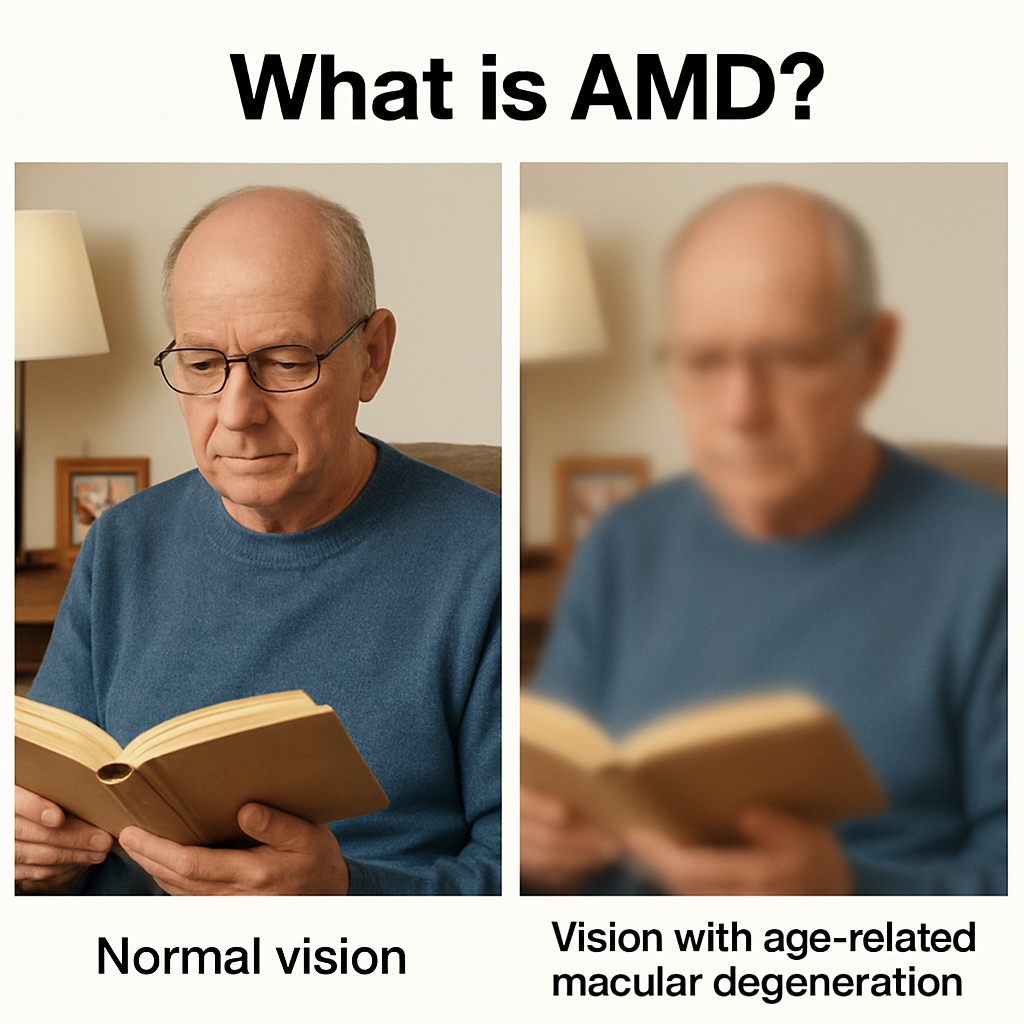
Age-related macular degeneration is a progressive eye disease that damages the macula—the central part of your retina responsible for sharp, detailed vision. When AMD progresses, it affects your ability to see fine details directly in front of you, making everyday activities like reading, driving, and recognizing faces increasingly difficult.
Unlike some eye conditions that cause complete blindness, AMD primarily affects your central vision while leaving your peripheral (side) vision intact. However, the loss of central vision can be devastating to your independence and quality of life.
The Two Types of AMD
Dry AMD (Non-Neovascular AMD)
- Accounts for 90% of all AMD cases
- Progresses slowly as the light-sensitive cells in the macula gradually break down
- Can advance to geographic atrophy, a severe form causing permanent vision loss
- Currently affects approximately 1 million Americans with geographic atrophy
Wet AMD (Neovascular AMD)
- Accounts for only 10% of AMD cases but causes 90% of AMD-related legal blindness
- Develops when abnormal blood vessels grow under the retina and leak fluid
- Progresses rapidly and requires immediate treatment
- Always preceded by the dry form of the disease
The Staggering Statistics: Why AMD Demands Your Attention
The numbers surrounding macular degeneration paint a sobering picture:
Prevalence & Growth
- Nearly 20 million Americans currently live with some form of AMD
- 196 million people worldwide have AMD—a number expected to surge to 288 million by 2040
- 1 in 8 Americans over 60 has some form of macular degeneration
- By 2050, AMD cases in the U.S. are projected to reach 5.4 million—more than double current numbers
Economic Burden
- AMD costs the U.S. economy $134.2 billion annually
- The global cost of vision impairment due to AMD: $343 billion ($255 billion in direct healthcare costs)
- Medicare pays approximately $1,290 per beneficiary diagnosed with AMD
- The total cost of vision loss from all causes in North America: $512.8 billion in direct costs plus $179 billion in indirect costs
Impact on Quality of Life
- Vision loss from AMD doubles or triples the likelihood of depression in older adults
- Seniors with AMD are significantly more likely to experience falls and fractures
- AMD is responsible for 6-9% of all cases of legal blindness worldwide
The good news? Early detection and treatment can reduce severe vision loss by more than 50%. That’s why comprehensive eye exams are critical—especially for Illinois residents over 50.
Warning Signs: When to Schedule an AMD Screening

Most people don’t realize they have AMD until significant vision loss has occurred. Watch for these warning signs:
- Straight lines appear wavy or distorted (such as door frames, telephone poles, or text lines)
- Dark or blurry spots in your central vision
- Colors appear less vibrant or washed out
- Difficulty recognizing faces
- Trouble reading, even with proper lighting
- Needing brighter light for close-up work
- Difficulty adapting to low light levels
If you experience any of these symptoms, schedule a comprehensive eye exam immediately at our Burbank, Addison, or Willowbrook location. Early intervention can make all the difference.
Who’s at Risk? Understanding Your AMD Risk Factors
While anyone can develop macular degeneration, certain factors significantly increase your risk:
Non-Modifiable Risk Factors
- Age: The #1 risk factor—prevalence increases exponentially after 60, affecting 1 in 3 people over 75
- Family History: Having a parent or sibling with AMD doubles your risk
- Race/Ethnicity: Europeans have a 60% higher prevalence than Asians or Africans
- Genetics: Certain gene variants (particularly CFH and ARMS2) increase susceptibility
Modifiable Risk Factors
- Smoking: The single most significant controllable risk factor—smokers are 2-3 times more likely to develop AMD
- High Blood Pressure: Increases risk of progression to wet AMD
- High Cholesterol: Associated with drusen formation (early AMD marker)
- Obesity: BMI over 30 increases risk, particularly for advanced AMD
- Diet: Low intake of antioxidants and omega-3 fatty acids
- Cardiovascular Disease: Heart disease and stroke history correlate with higher AMD rates
For Chicago-area residents: Living in the Burbank, Addison, or Willowbrook areas means access to specialized AMD screening and management is just minutes away. Don’t wait until vision loss begins—take control of your risk factors now.
How We Detect AMD: Advanced Diagnostic Technology
At The Eye Care Center, we use state-of-the-art diagnostic tools to detect AMD in its earliest stages—often years before you notice any symptoms.
Comprehensive AMD Screening Includes:
1. Dilated Eye Examination
Our doctors examine the retina and macula for early signs of AMD, including drusen (yellow deposits) and pigment changes.
2. Optical Coherence Tomography (OCT)
This advanced imaging technology creates detailed cross-sectional images of your retina, allowing us to detect even microscopic changes in the macula.
3. Fundus Photography
High-resolution photographs document the current state of your retina, providing a baseline for monitoring progression over time.
4. Amsler Grid Testing
A simple but effective tool that helps detect distortions in your central vision—often the first noticeable symptom of AMD progression.
5. Fluorescein Angiography (when needed)
If wet AMD is suspected, this specialized imaging uses dye to detect leaking blood vessels in the retina.
The critical fact: Most people don’t experience AMD symptoms until the disease has already progressed to later stages. Regular comprehensive eye exams are your best defense—especially if you’re over 50.
Treatment Options: Preserving Your Vision
While there’s currently no cure for AMD, modern treatments can slow progression and, in many cases, preserve functional vision for years.
For Dry AMD:
1. AREDS2 Vitamin Supplementation
High-dose formulations of antioxidants (vitamins C and E), lutein, zeaxanthin, and zinc have been shown to reduce the risk of progression to advanced AMD by approximately 25% in patients with intermediate or advanced dry AMD in one eye.
2. Lifestyle Modifications
- Smoking cessation (the single most important step)
- Weight management
- Blood pressure control
- Heart-healthy diet rich in leafy greens and fish
- UV protection with quality sunglasses
3. Regular Monitoring
Frequent examinations to detect progression to wet AMD, when immediate treatment becomes critical.
For Wet AMD:
1. Anti-VEGF Injections
The gold standard treatment for wet AMD. These medications (including Eylea, Lucentis, and Avastin) stop abnormal blood vessel growth and can stabilize or even improve vision. The better your vision at the start of treatment, the better it remains after treatment.
2. Photodynamic Therapy (PDT)
Sometimes used in combination with anti-VEGF therapy for specific cases.
3. Laser Therapy
For select cases where abnormal blood vessels are located away from the center of the macula.
Important: Early detection and treatment can reduce severe vision loss by more than 50%. That’s why residents in Burbank, Addison, and Willowbrook shouldn’t wait—schedule your comprehensive eye exam today.
Living With AMD: Low Vision Support & Resources
If you’ve already experienced vision loss from AMD, you’re not alone—and help is available. Low vision doesn’t mean no vision, and there are many tools and strategies to maintain independence:
- Magnifying devices for reading and close work
- Special lighting to maximize remaining vision
- High-contrast materials for daily tasks
- Screen readers and voice-activated technology
- Orientation and mobility training
- Support groups connecting you with others facing similar challenges
The Eye Care Center can connect you with low vision specialists and resources throughout the Chicago area to help you maintain your quality of life.
Prevention: Protecting Your Vision for the Future
While you can’t change your age or genetics, you can take control of modifiable risk factors:
5 Steps to Reduce Your AMD Risk:
1. Quit Smoking (or Never Start)
Smoking is the single most significant controllable risk factor for AMD. Quitting at any age reduces your risk.
2. Eat a Vision-Healthy Diet
- Dark leafy greens (kale, spinach, collards) rich in lutein and zeaxanthin
- Fatty fish (salmon, tuna, sardines) high in omega-3 fatty acids
- Colorful fruits and vegetables packed with antioxidants
- Nuts and legumes for vitamin E and zinc
3. Maintain a Healthy Weight
Obesity increases AMD risk, particularly for progression to advanced stages.
4. Control Blood Pressure and Cholesterol
Cardiovascular health directly impacts eye health—manage these conditions with your physician.
5. Protect Your Eyes from UV Damage
Wear quality sunglasses with UV protection whenever you’re outdoors.
And most importantly: Get regular comprehensive eye exams. The American Academy of Ophthalmology recommends annual eye exams for everyone over 65, and every 2 years for those aged 55-64.
Why Choose The Eye Care Center for AMD Screening & Management?
At The Eye Care Center, we specialize in complex eye conditions that typical optometrists might not address. Our expertise in difficult vision cases makes us uniquely qualified to detect, monitor, and manage AMD at all stages.
What Sets Us Apart:
- Advanced diagnostic technology including OCT imaging for early AMD detection
- Expertise in complex eye conditions beyond routine vision care
- Comprehensive treatment planning tailored to your specific AMD type and stage
- Three convenient Illinois locations: Burbank, Addison, and Willowbrook
- Coordination with retinal specialists when advanced treatment is needed
- Ongoing monitoring to catch progression early
- Affordable vision care options including our Vision Plans program for uninsured patients
Schedule Your AMD Screening Today
With AMD cases expected to more than double by 2050, the time to act is now. If you’re over 50, have a family history of AMD, or are experiencing any vision changes, don’t wait.
The Eye Care Center serves families throughout the Chicago metropolitan area with three convenient locations:
Burbank Office
7710 S Cicero Ave, Burbank, IL 60459
Phone: (708) 499-1280
Addison Office
930 W Army Trail Rd, Addison, IL 60101
Phone: (630) 628-2020
Willowbrook Office
7110 Kingery Hwy, Willowbrook, IL 60527
Phone: (630) 654-1800
Schedule Your Comprehensive Eye Exam Online or call your nearest location today.
Remember: Early detection and treatment can reduce severe vision loss by more than 50%. Your vision is worth protecting—let us help you see clearly for years to come.
Frequently Asked Questions About Age-Related Macular Degeneration
1. At what age should I start getting screened for AMD?
The American Academy of Ophthalmology recommends comprehensive eye exams every 2 years for adults aged 55-64, and annually for everyone over 65. However, if you have risk factors like family history, smoking, or high blood pressure, you should start regular AMD screenings earlier—talk to your eye doctor at our Burbank, Addison, or Willowbrook location about your specific risk profile.
2. Can AMD be cured?
Currently, there is no cure for AMD. However, modern treatments can significantly slow disease progression and preserve functional vision. For dry AMD, AREDS2 vitamin supplementation can reduce the risk of progression by about 25%. For wet AMD, anti-VEGF injections can stabilize or even improve vision in many patients. The key is early detection—the better your vision at the start of treatment, the better it remains after treatment.
3. Will I go completely blind from macular degeneration?
AMD affects only your central vision, not your peripheral (side) vision. This means AMD alone does not cause complete blindness. However, the loss of central vision can severely impact your ability to read, drive, recognize faces, and perform detailed tasks. With proper treatment and low vision support, most people with AMD maintain a significant level of independence.
4. What’s the difference between dry AMD and wet AMD?
Dry AMD accounts for 90% of cases and progresses slowly as light-sensitive cells in the macula gradually break down. Wet AMD represents only 10% of cases but causes 90% of AMD-related legal blindness. Wet AMD occurs when abnormal blood vessels grow under the retina and leak fluid, causing rapid vision loss. All wet AMD is preceded by dry AMD, which is why monitoring dry AMD closely is so critical.
5. Does AMD run in families?
Yes, genetics play a significant role in AMD. Having a parent or sibling with AMD doubles your risk of developing the condition. If you have a family history of AMD, it’s especially important to have regular comprehensive eye exams and manage controllable risk factors like smoking, diet, and blood pressure. Our doctors at The Eye Care Center can assess your family history and recommend an appropriate screening schedule.
6. Can vitamins prevent or slow AMD?
AREDS2 vitamin formulations (containing vitamins C and E, lutein, zeaxanthin, and zinc) have been proven to slow the progression of intermediate and advanced dry AMD. However, these supplements won’t prevent AMD from developing in the first place, and they don’t work for everyone. Never start any supplement regimen without consulting your eye doctor, as high-dose supplements can interact with other medications or conditions.
7. How often do I need anti-VEGF injections for wet AMD?
Treatment frequency varies by individual and by the specific medication used. Initially, most patients receive monthly injections for the first 3-4 months. After the disease stabilizes, many patients transition to a “treat-and-extend” protocol where the time between injections is gradually increased. Some patients eventually need injections only every 2-3 months, while others require more frequent treatment. Your retinal specialist will determine the best schedule based on how your eyes respond.
8. Is AMD more common in certain ethnic groups?
Yes, research shows significant ethnic differences in AMD prevalence. Europeans have a 60% higher prevalence of AMD than Asians or Africans. European-descended individuals also have a higher prevalence of geographic atrophy (advanced dry AMD) compared to other ethnic groups. However, AMD can affect people of all ethnic backgrounds, and everyone over 50 should receive regular comprehensive eye exams.
9. Can I still drive if I have AMD?
This depends on the severity of your AMD and your state’s vision requirements for driving. Early-stage AMD may not affect your driving ability, but as the disease progresses, central vision loss can make it dangerous to drive. Illinois requires a minimum visual acuity for licensed drivers—your eye doctor can assess whether your vision meets these requirements. Many people with AMD eventually need to stop driving, but low vision specialists can help you explore alternative transportation options.
10. Are there any new treatments on the horizon for AMD?
Yes, AMD research is very active. Current areas of investigation include: longer-lasting anti-VEGF medications (potentially reducing injection frequency), combination therapies, gene therapy to address genetic risk factors, stem cell treatments to regenerate damaged retinal cells, and treatments specifically targeting geographic atrophy (advanced dry AMD), which currently has limited treatment options. Clinical trials are ongoing—ask your eye doctor at The Eye Care Center if you might be a candidate for any emerging AMD treatments.